
The Code of Fighting
Hillbilly ElegyThis conflict thread tracks how a family code that initially celebrates retaliation is revised into a more difficult ethic of justified intervention and restraint.
increasing Bearing strength in each event
 decreasing
Bearing strength in each eventdecreasingFamily Insults as Triggers
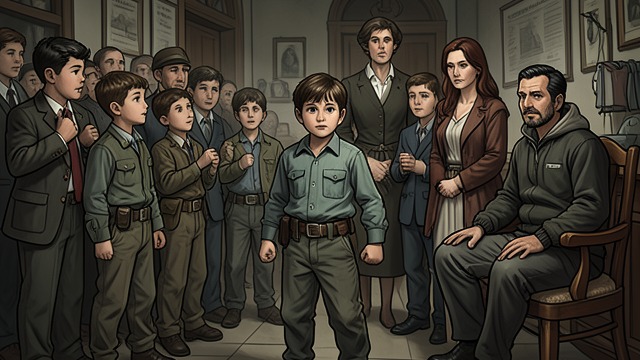
Honor Enforced by Fists
Rules learned young
J.D. Vance grows up hearing that a person should never start a fight but must finish one if family honor is challenged. Insults about his mother or grandmother make violence seem morally required.
Praise for defiance
After he confronts an older boy over Lindsay Leigh Lewis, Mamaw praises his courage despite his defeat. The response strengthens the code he is beginning to absorb.
The rules give him belonging and confidence, but they also make conflict easier to provoke.
The First Revision
Mamaw Changes Her Rule
A threatened fight
After J.D. Vance loses a race, he prepares to retaliate against the child who taunts him. Mamaw stops him and insists that only defensive fights are justified.
Admission of error
He reminds her that she once praised a fight. Mamaw says she was wrong and tells him that fighting should happen only when necessary.
Her reversal introduces the possibility that loyalty does not require treating every insult as a call to arms.
Defending a Classmate
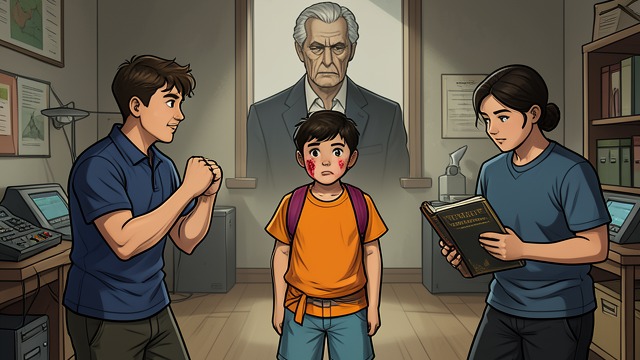
Protection Beyond the Self
A bully’s target
J.D. Vance feels guilty after watching a classmate suffer under a bully’s attention. Mamaw tells him that some fights are right even when he is not defending himself.
Violence as intervention
He confronts Chris and punches him hard enough to send him to the nurse. The teacher punishes him lightly, while Mamaw praises his willingness to protect someone vulnerable.
The episode complicates the earlier lesson: moral action may require risk, but violence remains a blunt instrument.
The Habit Follows Him
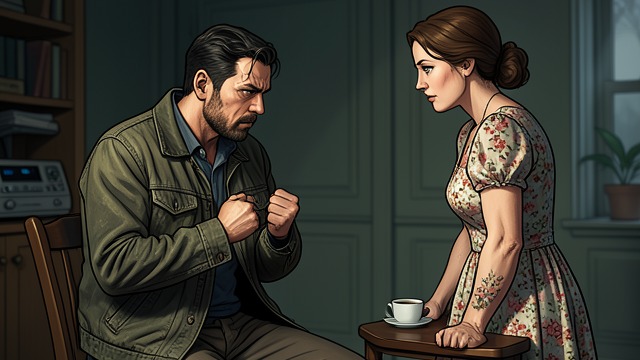
Conflict as Reflex
A learned response
J.D. Vance repeatedly prepares to fight when someone insults his family or honor. The response once gave him a measure of control in an unpredictable world.
A changed setting
As an adult, the same reflex threatens his relationships and his freedom. Usha Vance challenges him to recognize that disagreement is not automatically an attack.
The old code survives because it once worked; changing it requires more than deciding it is irrational.
The Door Stays Shut
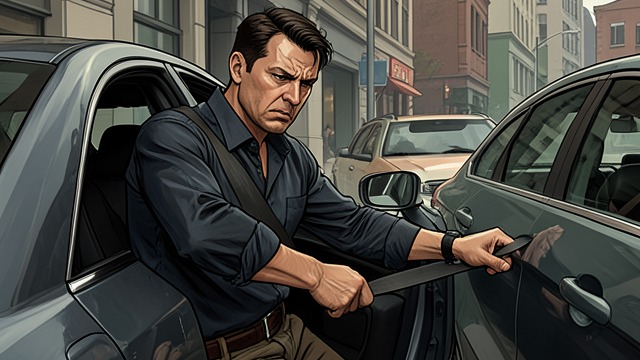
Restraint at a Red Light
A familiar provocation
Another driver cuts off J.D. Vance and insults him. He unbuckles and opens the car door, prepared to demand an apology and fight if needed.
Choosing not to escalate
He closes the door before getting out. Usha Vance praises the choice, even though his instincts continue to condemn him afterward.
The moment recasts restraint as a genuine achievement: not weakness, but a new form of control.
J.D. Vance’s earliest school years
around third grade
the following school year
adolescence through early adulthood
a few years before the book’s conclusion
